Common Mold Hotspots in Lake Forest Homes and How to Prevent Them
Mold thrives in hidden, damp corners of homes—especially in our coastal Orange County climate. We’ve seen firsthand how Lake Forest’s mild winters and humid springs create perfect conditions for growth in attics, crawl spaces, and behind walls. Left unchecked, these hotspots can compromise air quality and structural integrity.
Why Lake Forest Homes Are Prone to Mold Growth
Our region’s Mediterranean climate means warm days and cool nights, leading to condensation buildup in enclosed spaces. This is especially true in older neighborhoods like Portola Hills, where ventilation may be inadequate.
Proximity to Irvine and Mission Viejo doesn’t spare homes here—shared humidity patterns and aging plumbing systems contribute to recurring moisture issues. Even newer builds in Rancho Santa Margarita face risks from poor grading or roof leaks.
Top 5 Mold Hotspots in Local Homes
Attics are the most common culprit. Poor ventilation traps heat and moisture, creating a breeding ground for mold on sheathing and insulation. We often find colonies spreading across rafters after a single roof leak goes unnoticed.
Crawl spaces in Lake Forest homes frequently lack vapor barriers. Without proper encapsulation, ground moisture seeps in, saturating joists and subflooring. This is a silent problem until musty odors or sagging floors appear.
Bathrooms, especially those without exhaust fans, develop mold on ceilings and behind tile. Grout is porous—once spores take hold, they’re tough to fully eradicate without professional remediation.
HVAC systems circulate spores throughout the home if ducts are contaminated. This is why we always recommend air quality testing after water damage in Laguna Hills or nearby areas.
Basements and garages often have concrete floors that wick moisture. Without sealants or dehumidifiers, mold can grow on stored items like cardboard boxes, fabrics, and even tools.
| Hotspot | Primary Cause | Detection Signs |
|---|---|---|
| Attic | Poor ventilation, roof leaks | Musty odors, dark stains on wood |
| Crawl Space | Lack of vapor barrier, ground moisture | Sagging floors, visible growth on joists |
| Bathroom | High humidity, poor airflow | Black spots on grout, peeling paint |
| HVAC Ducts | Condensation, past water damage | Unexplained allergies, dusty black residue |
| Basement/Garage | Concrete moisture wicking | White efflorescence, damp smells |
The Hidden Dangers of Unchecked Mold
Not all mold is visible. Toxic varieties like Stachybotrys (black mold) release mycotoxins that can trigger respiratory issues, headaches, and skin irritation. Children and the elderly are especially vulnerable.
Structural damage is another silent threat. Mold feeds on organic materials—drywall, wood framing, and insulation. Over time, this weakens load-bearing components, leading to costly repairs.
Mold can begin growing within 24–48 hours of water exposure. If you’ve had a leak or flood, request a quote for mold inspection immediately—even if surfaces appear dry.
Signs You Have a Mold Problem
Visible growth is the most obvious sign, but it’s often the tip of the iceberg. Discoloration—black, green, white, or even pink—on walls, ceilings, or baseboards warrants a closer look.
Musty odors are a red flag. If a room smells earthy or damp, mold may be lurking behind drywall or under flooring. Trust your nose—it’s often the first detector.
Health symptoms can also indicate a problem. Increased allergies, asthma flare-ups, or unexplained rashes may point to hidden mold. We’ve seen cases in Mission Viejo where families mistook symptoms for seasonal allergies for years.
Home test kits can confirm mold presence but won’t identify the source or extent. For accurate results, professional mold testing and air quality assessments are essential.
Prevention Strategies That Work in Our Climate
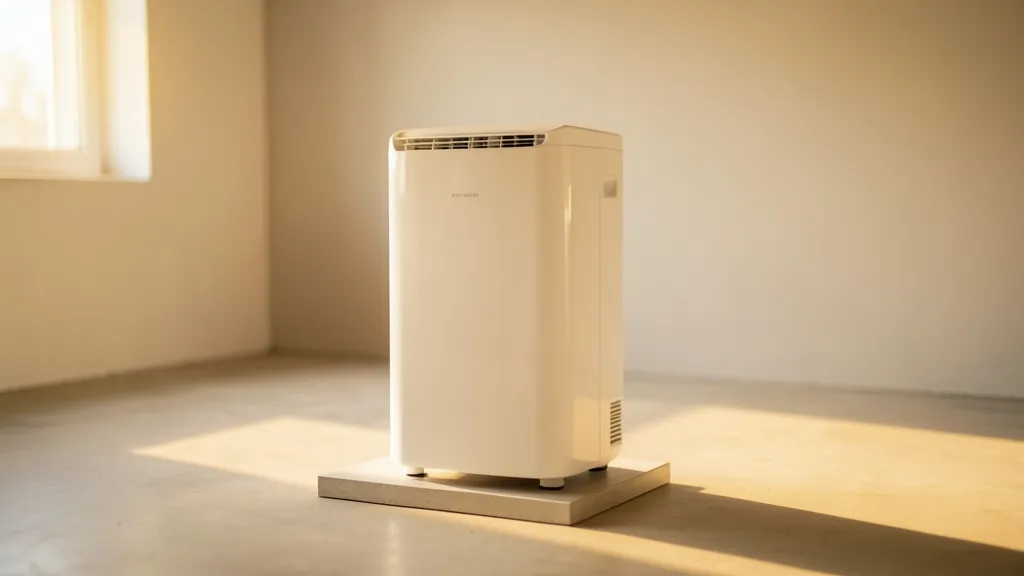
Controlling humidity is key. Aim for 30–50% indoors using dehumidifiers, especially in basements and crawl spaces. In Lake Forest, whole-home systems often outperform portable units for larger spaces.
Improve airflow with exhaust fans in bathrooms and kitchens. Run them for at least 20 minutes after showers or cooking. Ceiling fans can also help, but they’re no substitute for proper ventilation.
Seal gaps and cracks in your home’s envelope. This prevents moist outdoor air from entering and condensing on cooler indoor surfaces. Pay special attention to attics and crawl spaces.
Use mold-resistant products during renovations. Moisture-resistant drywall (green board) and paperless insulation are smart upgrades, especially in high-risk areas like bathrooms and laundry rooms.
Quick Mold Prevention Checklist
- Install vapor barriers in crawl spaces
- Inspect roofs and gutters bi-annually for leaks
- Use dehumidifiers in damp areas (basements, garages)
- Clean and dry water-damaged areas within 48 hours
- Schedule annual HVAC duct inspections
When to Call a Professional for Mold Remediation
If mold covers more than 10 square feet, DIY methods won’t cut it. Professional remediation ensures spores are contained and removed safely, preventing cross-contamination.
Hidden mold—such as inside walls or under flooring—requires specialized equipment like thermal imaging cameras and moisture meters. Our team uses these tools daily in Irvine and Lake Forest homes.
After water damage, always assume mold is present. Even if you’ve dried the area, spores may linger. A thorough mold inspection and air quality test provide peace of mind.
The Mold Remediation Process: What to Expect
First, we contain the affected area using plastic sheeting and negative air pressure to prevent spores from spreading. This step is critical in multi-story homes common in Laguna Hills.
Next, we remove contaminated materials—drywall, insulation, carpeting—using HEPA vacuums and air scrubbers. These tools capture spores as small as 0.3 microns, ensuring they don’t recirculate.
After removal, we clean and disinfect all surfaces with antimicrobial solutions. This step targets root structures, not just visible growth.
Finally, we address the moisture source. Whether it’s a plumbing leak, poor drainage, or condensation, fixing the root cause prevents recurrence. We often collaborate with water damage restoration teams in Rancho Santa Margarita for comprehensive solutions.
How to Inspect Your Home for Mold Hotspots
A thorough inspection can uncover problems before they escalate.
- 1Check for Visible Signs
Look for discoloration or stains on walls, ceilings, and floors. Pay attention to corners, under sinks, and around windows.
- 2Follow Your Nose
Musty odors often lead to hidden mold. Trace smells to their source, even if it means moving furniture or storage items.
- 3Inspect High-Risk Areas
Focus on attics, basements, crawl spaces, and bathrooms. Use a flashlight to spot growth in dark, enclosed spaces.
- 4Test for Moisture
Use a moisture meter to check for elevated levels in drywall, wood, or concrete. Readings above 15% indicate a potential problem.
- 5Review Past Water Damage
Revisit areas with previous leaks or flooding. Mold can lie dormant and reactivate when conditions are right.
- 6Monitor Humidity Levels
Use a hygrometer to track indoor humidity. Consistently high levels (above 60%) require intervention.
Frequently Asked Questions
How quickly can mold grow in a Lake Forest home after a water leak?
Mold can begin colonizing within 24–48 hours of water exposure, especially in warm, humid conditions. This is why immediate water damage restoration is critical to prevent long-term issues.
Is black mold more dangerous than other types in Lake Forest homes?
Black mold (Stachybotrys) produces mycotoxins that can pose serious health risks, but all mold should be treated as a potential hazard. The type matters less than the extent and location of growth.
Can I paint over mold to fix the problem?
No. Painting over mold only hides the issue temporarily. The spores will continue to grow beneath the surface, leading to peeling paint and further damage. Always remediate first, then repaint.
Do dehumidifiers prevent mold in crawl spaces?
Dehumidifiers help, but they’re not a complete solution. For crawl spaces, we recommend encapsulation with a vapor barrier, proper drainage, and ventilation in addition to moisture control.
What’s the difference between mold testing and mold inspection?
Mold inspection is a visual and physical assessment of your home for signs of growth and moisture issues. Mold testing involves collecting air or surface samples to identify spore types and concentrations in the air.
Should I test for mold before buying a home in Mission Viejo or Lake Forest?
Absolutely. A professional mold inspection and air quality test can uncover hidden problems that aren’t visible during a standard home inspection. This is a smart investment for older homes or those with a history of water damage.