How to Maintain Ideal Humidity Levels in Your Lake Forest Home Year-Round
Lake Forest’s Mediterranean climate brings warm, dry summers and mild, damp winters—perfect conditions for humidity swings that invite mold. We’ve helped homeowners across Irvine, Mission Viejo, and Laguna Hills tackle moisture issues before they turn into costly remediation projects. Here’s how to keep your indoor humidity in the safe zone, 30-50%, all year long.
Why Humidity Control Is Your First Line of Defense Against Mold
Mold spores are everywhere, but they only grow when relative humidity (RH) climbs above 60%. In Lake Forest, coastal marine layers and winter rains can push indoor RH well past this threshold, especially in basements, crawl spaces, and attics.
Even in dry months, poor ventilation or water intrusion from leaky pipes or roofs can create microclimates where mold thrives. Controlling humidity starves spores of the moisture they need to colonize.
Attics and crawl spaces often exceed 70% RH due to poor airflow. Without intervention, these areas can harbor mold long before you notice it.
The Tools You Need to Monitor and Manage Humidity
A hygrometer is your most basic tool—place one in each major area of your home, especially near known problem zones like bathrooms, kitchens, and laundry rooms. Digital models with remote sensors are ideal for tracking crawl spaces and attics.
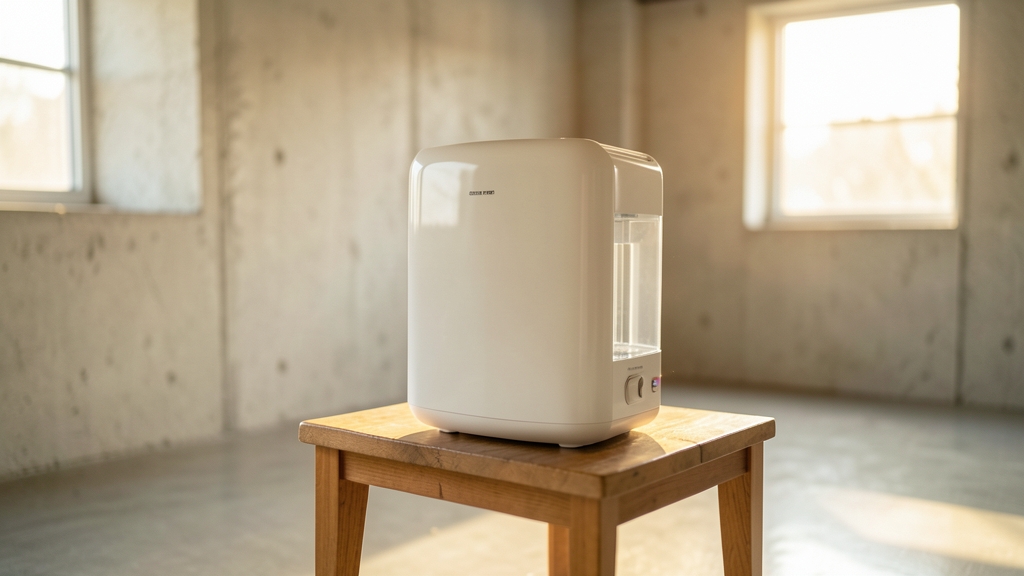
For active control, dehumidifiers are essential in high-moisture areas. Look for units with a built-in hygostat to maintain your target RH automatically. In larger homes or commercial spaces, whole-house dehumidifiers integrated with your HVAC system may be an effective solution.
Dehumidifiers vs. Air Conditioners: What’s the Difference?
Both remove moisture, but they work differently. Air conditioners cool air, which reduces its capacity to hold water vapor, causing condensation. Dehumidifiers, however, pull moisture directly from the air without significantly cooling it.
In Lake Forest’s mild winters, running an AC isn’t always practical. A dedicated dehumidifier is more energy-efficient for moisture control when temperatures are cool but humidity is high.
| Feature | Dehumidifier | Air Conditioner |
|---|---|---|
| Primary Function | Removes moisture | Cools air (indirectly reduces humidity) |
| Effectiveness in Cool Weather | High | Low |
| Energy Efficiency for Moisture Control | High | Moderate |
| Best For | Crawl spaces, basements, attics | Whole-home cooling + humidity reduction |
| Maintenance | Empty water tank/filter cleaning | Filter changes, coil cleaning |
Ventilation: The Unsung Hero of Humidity Control
Proper airflow prevents stagnant, humid air from settling in. Exhaust fans in bathrooms and kitchens should vent outside, not into attics or crawl spaces—this is a common mistake we see in older Lake Forest homes.
For whole-home ventilation, consider an energy recovery ventilator (ERV). ERVs exchange stale indoor air with fresh outdoor air while transferring moisture and temperature, keeping RH balanced without overworking your HVAC.
If you notice condensation on windows, run a bathroom or kitchen fan for 20-30 minutes after showering or cooking. This simple step can prevent long-term moisture buildup.
Seasonal Humidity Challenges in Lake Forest
Summer’s low humidity might lull you into complacency, but winter’s marine layer and occasional storms can spike indoor RH. During these months, focus on running dehumidifiers in basements and crawl spaces, where cool surfaces can attract condensation.
Spring and fall bring their own issues. Pollen and dust can clog HVAC filters, reducing airflow and trapping moisture. Check and replace filters monthly during these transitional seasons.
Addressing Moisture at the Source: Leaks and Poor Drainage
No amount of dehumidification can compensate for active water intrusion. Inspect your roof, gutters, and downspouts annually—especially before the rainy season. Clogged gutters or improperly sloped grading can direct water toward your foundation, leading to crawl space mold.
Plumbing leaks are another silent culprit. Even a slow drip behind a wall can create a hidden mold factory. If you notice musty odors or water stains, call for a mold inspection and air quality testing before the problem spreads.
Annual Moisture Prevention Checklist
- Inspect roof for missing shingles or cracks
- Clean gutters and downspouts; ensure they direct water away from the home
- Check grading around the foundation (should slope away from the house)
- Test sump pumps (if applicable) before rainy season
- Inspect plumbing for leaks under sinks, around toilets, and near appliances
- Seal gaps around windows and doors to prevent moisture infiltration
Crawl Spaces and Attics: Special Considerations
Crawl spaces in Lake Forest homes are particularly vulnerable due to poor ventilation and direct contact with damp soil. A vapor barrier (10-mil polyethylene) installed over the dirt floor can block ground moisture from seeping in.
Attics often suffer from inadequate insulation or ventilation. Ridge vents, soffit vents, and attic fans help circulate air, but if your attic lacks these, moisture from daily activities can accumulate. In severe cases, attic mold remediation may be necessary to restore air quality.
When to Call in the Pros for Mold Remediation
If you’ve spotted mold growth, experienced water damage, or noticed persistent musty odors, it’s time for professional mold testing and remediation. DIY solutions like bleach only address surface mold and can worsen the problem by driving spores deeper into porous materials.
Our team serves Lake Forest, Rancho Santa Margarita, and surrounding areas with comprehensive mold inspections, air quality testing, and remediation tailored to your home’s specific needs. Early intervention saves time, money, and your family’s health.
How to Reduce Humidity in a Damp Room
Follow these steps to quickly lower humidity in problem areas like bathrooms or basements.
- 1Identify the Source
Check for leaks, poor ventilation, or standing water. Address these first to prevent recurring moisture issues.
- 2Increase Airflow
Open windows if outdoor humidity is lower than indoors. Use fans to circulate air and speed up evaporation.
- 3Run a Dehumidifier
Place a dehumidifier in the center of the room and set it to maintain 30-50% RH. Empty the tank regularly or use a model with a drain hose.
- 4Use Moisture Absorbers
For small spaces, silica gel or calcium chloride absorbers can provide temporary relief. Replace them as directed.
- 5Monitor Progress
Use a hygrometer to track RH levels. If humidity remains high after 24 hours, reassess for hidden moisture sources.
Frequently Asked Questions
What’s the ideal humidity level for preventing mold in Lake Forest homes?
The EPA recommends keeping indoor relative humidity between 30-50%. Above 60%, mold growth becomes significantly more likely, especially in poorly ventilated areas like crawl spaces and attics.
Can high humidity in my home affect my health?
Yes. Elevated humidity encourages mold, dust mites, and bacteria, which can trigger allergies, asthma, and respiratory issues. Even without visible mold, poor air quality from high RH can cause headaches, fatigue, and skin irritation.
How often should I run my dehumidifier in Lake Forest’s climate?
It depends on the season and your home’s specific conditions. During damp winters or after heavy rains, run it continuously in problem areas. In dry summer months, use it as needed based on hygrometer readings. Aim to keep RH below 50% at all times.
I found mold in my crawl space. Can I clean it myself?
Surface mold on non-porous materials can sometimes be cleaned with a HEPA vacuum and mild detergent, but crawl space mold often indicates a larger moisture issue. Without addressing the root cause, the mold will return. For safety and effectiveness, professional crawl space mold remediation is recommended.
Does my HVAC system help control humidity?
Yes, but its primary job is temperature control. Modern HVAC systems can remove some moisture, but they’re not as efficient as dedicated dehumidifiers. If your system is older or oversized, it may short-cycle and fail to dehumidify effectively. Consider a whole-house dehumidifier for better results.
What are the signs that my home has a humidity problem?
Condensation on windows, musty odors, peeling paint or wallpaper, warped wood floors, and visible mold or mildew are all red flags. If you notice any of these, check your RH levels and inspect for leaks or poor ventilation.